Picture of Terrence Henderson

Terrence Henderson

Chimney Professional

Converting a Gas Fireplace to Electric: Is It Worth It?

My name is Terrence Henderson, and over the years working as a Chimney Professional at The Chimney Inspection and Sweep, one of the most common questions I hear is whether a gas fireplace is still worth keeping. I’ve walked into many homes where the fireplace hasn’t been used in years, yet the gas line, venting, and controls are still sitting there aging quietly. Homeowners usually ask this right after a service visit or inspection, often while reviewing options on our gas fireplace inspection page. I want to be clear up front: I’ve seen neglect get expensive. One customer ignored an unused gas fireplace during a remodel, only to discover later that a corroded shutoff valve failed pressure testing. The fix cost far more than if they had addressed the system – or converted it – before closing the wall.
Converting A Gas Fireplace To Electric services in Houston by The Chimney Inspection and Sweep

What the codes actually require when you convert

The smartest conversions follow two rules: decommission the gas system correctly and install the electric unit to electrical code. Skipping either step creates inspection failures and insurance headaches. I always verify compliance before I sign off on a project. Best practice from the Chimney Safety Institute of America (CSIA) also recommends documenting the decommissioning process. I advise homeowners to keep photos and permits on file in case of resale or insurance review.
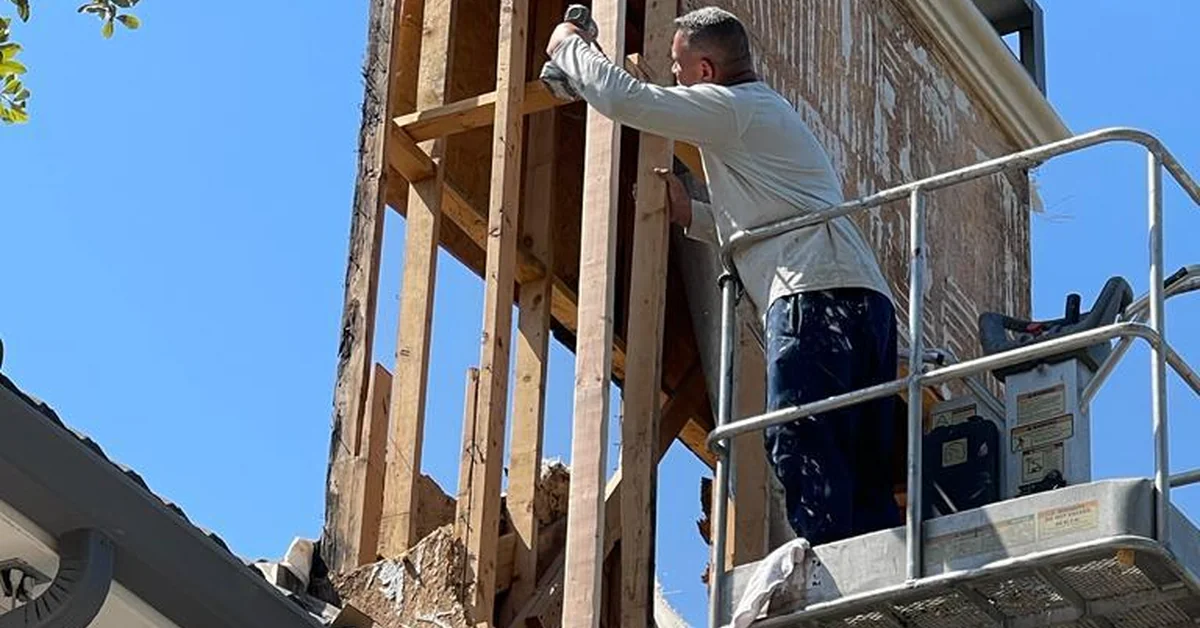
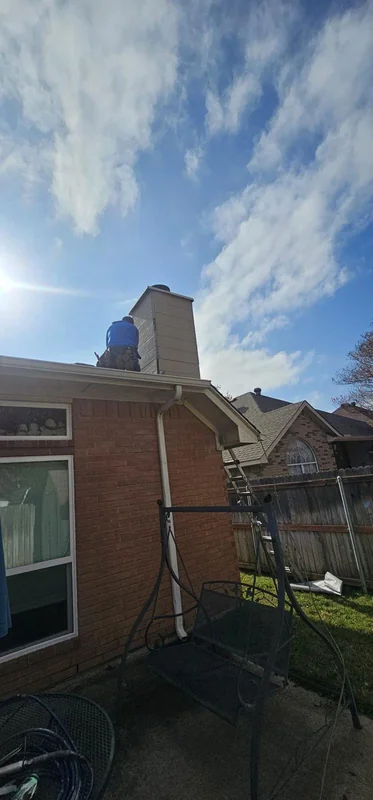
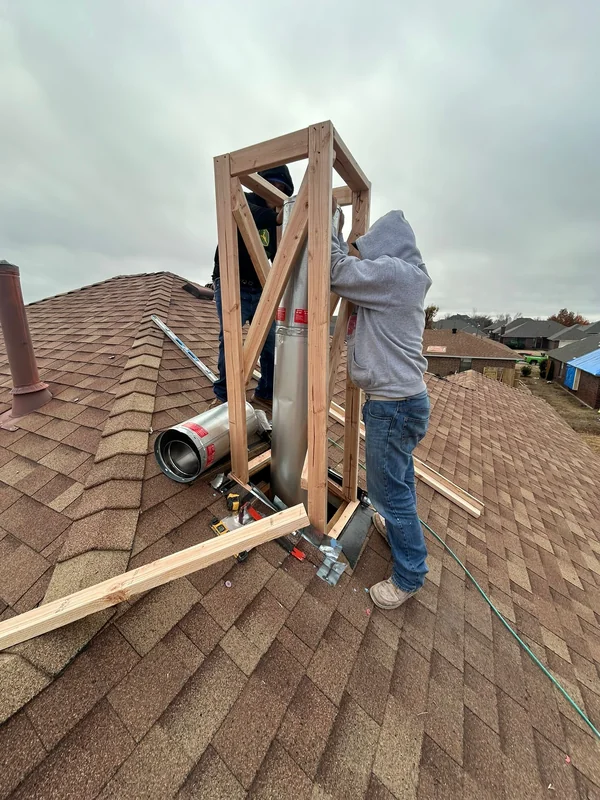
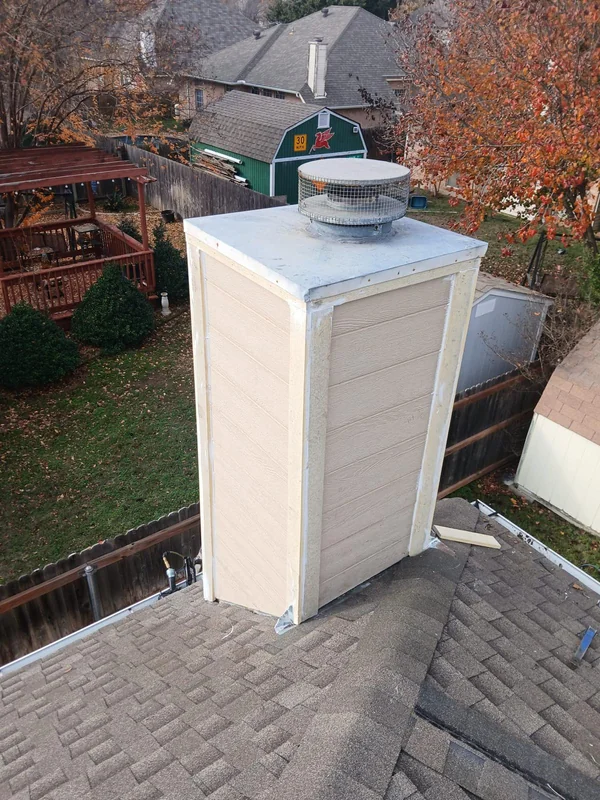
Professional Converting A Gas Fireplace To Electric equipment used in Houston
The Chimney Inspection and Sweep team providing Converting A Gas Fireplace To Electric in Houston

How I help homeowners decide if the switch is worth it

My stance is straightforward: electric fireplaces trade heat output for convenience. That’s not good or bad – it depends on how you use the space. Benefits I see repeatedly include:
  • No combustion gases, meaning no carbon monoxide risk from the unit itself
  • Lower maintenance – no burners, pilot assemblies, or vent inspections
  • Flexible installation options with realistic flame visuals
Drawbacks matter too:
  • Electric units are primarily visual; most produce modest supplemental heat
  • You lose function during power outages unless backed by a generator
  • Upfront conversion costs if gas lines and vents need modification
A client once assumed conversion was just “sliding in a new box.” When we opened the wall, the gas line lacked an accessible shutoff. We had to extend and cap it properly, adding time and cost. Conversion projects typically start around a few thousand dollars and fluctuate based on site complexity, material costs, and total scope. Installation often takes one to two days once planning is complete. These figures are preliminary benchmarks for informational purposes only and do not constitute a binding quote. An on-site evaluation is required for a final proposal.

Talk Through Your Fireplace Options

If you want clarity, safety, and confidence, now is the time to act. I am Terrence Henderson, and I provide straightforward guidance based on real conditions, not sales pressure. A professional chimney inspection and sweep protects your home, improves efficiency, and prevents costly surprises before peak season hits. Waiting risks hidden damage, smoke issues, and safety hazards. One visit delivers answers, options, and a clear plan tailored to how you use your fireplace. Call now to schedule your inspection, discuss your goals, and secure priority availability. Take control today and enjoy peace of mind all season.
The Chimney Inspection and Sweep Converting A Gas Fireplace To Electric Houston

Frequently Asked Questions

Does converting a gas fireplace to electric increase home safety?

Yes, but only in a very specific and practical way. When combustion is removed from the system, a major category of risk is eliminated. You no longer have concerns related to gas leaks, incomplete combustion, backdrafting, or failed venting paths. Based on real world service experience, the majority of fireplace safety incidents originate from fuel delivery problems or exhaust handling, not from the visible or decorative portions of the unit. An electric fireplace still requires correct electrical wiring, appropriate circuit capacity, and manufacturer specified clearances, so it is not risk free. However, it does not generate carbon monoxide, does not rely on draft, and does not depend on flame stability. These advantages only apply if the existing gas supply is properly disconnected, capped, and pressure tested. Leaving an unused gas line in place undermines the safety benefit and introduces unnecessary long term risk.

Usually not. Most electric fireplaces are intended to provide visual appeal and light supplemental warmth rather than serve as a primary heating system. I emphasize this to prevent disappointment that often comes from mismatched expectations. Gas fireplaces typically produce significantly higher BTU output and can continue operating during power outages, making them more suitable for whole room or partial home heating. Electric fireplaces rely on resistance heating and standard household electrical circuits, which limits their heat capacity and overall efficiency for large spaces. If your existing fireplace has been your main source of heat, converting to electric may not meet your comfort or performance needs. However, if the fireplace has been primarily decorative or used occasionally for ambiance, an electric model can be a practical, clean, and convenient option that still adds warmth and visual comfort.
Conversion costs often begin at a few thousand dollars and can increase depending on the specific conditions of the installation. Overall pricing is influenced by several variables, including the complexity of the existing fireplace, current material and labor costs, and the total scope of work involved. Key considerations may include gas line accessibility, required venting changes, electrical upgrades to meet code, and the type and efficiency rating of the electric insert selected. Older homes or custom fireplace designs may require additional preparation, which can affect both cost and scheduling. Once permits are approved and materials are available, installation timeframes generally fall within one to two days, although more complex projects may take longer. All cost ranges and timelines provided are intended as general guidance only. They are not binding estimates. A professional on-site assessment is necessary to determine accurate pricing and to develop a final, detailed proposal.
Some elements may appear straightforward, but I rarely recommend a full DIY approach for this type of project. Gas line capping and pressure testing must strictly meet NFPA 54 requirements to ensure safety and code compliance. Electrical work also has to follow NEC standards, including proper circuit sizing, grounding, and permits where required. I have seen homeowners install an electric unit while leaving an old gas line concealed and still active, which creates serious safety risks and long term liability. Cosmetic tasks such as installing surrounds, mantels, or trim can be appropriate for skilled homeowners and can help manage costs. However, decommissioning fuel systems, modifying wiring, and verifying code compliance should always involve licensed professionals who can document the work and protect both the property and the occupants.
Maintenance is minimal but not zero, and a small amount of routine attention goes a long way toward reliable performance. I advise homeowners to keep all intake and exhaust vents clear of dust, pet hair, and household debris so airflow remains unrestricted. Periodically inspect power cords and plugs for discoloration, brittleness, or warmth, which can indicate heat damage or a loose connection. Always follow the manufacturer cleaning instructions for flame media, glass panels, and protective screens to preserve appearance and safety. About once a year, take a moment to verify that the old gas line cap is secure, undisturbed, and still accessible. This simple check helps prevent surprises during home inspections, insurance reviews, or future renovations. Consistent light maintenance supports longevity, safety, and peace of mind.
The most common issue encountered during installations is improper gas line abandonment, which can create safety risks, code violations, and long term maintenance problems if not handled correctly. Old gas lines must be properly capped, pressure tested when required, and documented to avoid leaks or future confusion during renovations. The second frequent problem involves undersized electrical circuits that are unable to handle the actual load of the equipment, resulting in nuisance tripping, reduced performance, and potential damage to components. Another issue I have repeatedly seen is equipment installed without respecting manufacturer clearance specifications. This often leads to wall damage, restricted airflow, overheating, and premature wear. In many cases, these problems stem from rushed decisions or incomplete planning. With proper evaluation, adherence to codes, and coordination between trades, these issues are entirely preventable and avoid costly corrections later.
When evaluating a contractor, verify that they hold proper licensing for both gas and electrical work, and request current proof of insurance that covers liability and workers. Ask about their familiarity with NFPA standards and CSIA guidance, and how they stay updated as codes change. A reliable professional should be able to describe, in detail, how gas line decommissioning is documented, including pressure testing, capping, and labeling. Clarify whether permits are pulled when required and how inspections are coordinated with local authorities. Inquire about their safety procedures, cleanup practices, and how they handle unexpected issues. A qualified professional will explain each step clearly and confidently, answer questions without hesitation, and avoid glossing over important safety or compliance details.
If you detect a strong or persistent gas odor, shut off the gas supply immediately and open doors and windows to ventilate the area. A noticeable gas smell often signals a leak, and even a small leak can escalate quickly into a serious fire or explosion if it is ignored. Do not light matches, use lighters, or operate electrical switches, appliances, or phones nearby, as sparks can ignite accumulated gas. Evacuate everyone from the space, including pets, and move to a safe location a reasonable distance away. Once you are safe, contact a qualified and licensed professional who provides emergency gas service and clearly explain the situation. If the odor is severe or you suspect immediate danger, contact local emergency services or the gas utility for guidance. Be aware that emergency dispatch or after-hours service fees may apply, but prompt action can prevent injuries, property damage, and costly repairs.